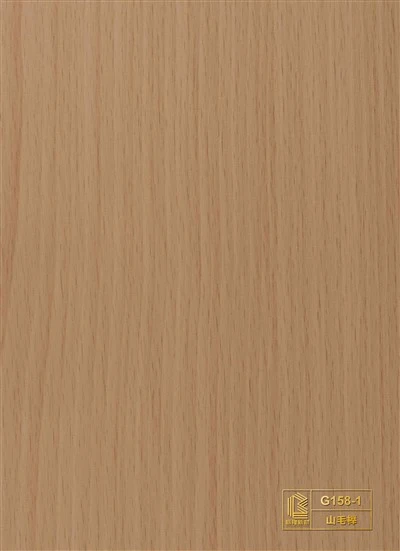

Hey there! As a supplier of solid color PVC film, I often get asked about the bending resistance of our products. It's a crucial aspect, especially when you're thinking about using the film for various applications. So, let's dive right in and explore what bending resistance in solid color PVC film really means.
What is Bending Resistance?
Bending resistance refers to the ability of the solid color PVC film to withstand bending without cracking, breaking, or losing its integrity. When we bend the film, we're essentially putting stress on its molecular structure. A film with good bending resistance can handle this stress and return to its original state or maintain its shape without any visible damage.
For us as a supplier, ensuring high bending resistance is a top priority. It directly impacts the quality and usability of our products. Whether you're using the film for furniture, wall panels, or other decorative purposes, you want it to be flexible enough to bend around curves and edges without falling apart.
Factors Affecting Bending Resistance
PVC Composition
The composition of the PVC material plays a huge role in determining its bending resistance. Different formulations of PVC can have varying levels of flexibility. For example, some PVC films are made with plasticizers, which are substances that increase the flexibility of the material. The type and amount of plasticizers used can significantly affect how well the film bends.
We carefully select the PVC composition for our solid color films to achieve the right balance of flexibility and durability. This ensures that our customers get a product that can handle bending without sacrificing its strength.
Thickness
The thickness of the solid color PVC film also matters. Generally, thinner films are more flexible and have better bending resistance compared to thicker ones. However, it's not always that simple. Thicker films may offer more durability and stability in some applications, even though they might be a bit less flexible.
We offer a range of thickness options for our solid color PVC films. This allows our customers to choose the thickness that best suits their specific needs, whether they need a highly flexible film for intricate designs or a more robust one for heavy-duty applications.
Manufacturing Process
The way the PVC film is manufactured can impact its bending resistance. Our manufacturing process involves precise control of temperature, pressure, and other factors to ensure that the film has consistent quality and properties.
For instance, during the extrusion process, the PVC material is heated and forced through a die to form a film. If the temperature and pressure are not properly controlled, the film may have uneven thickness or internal stresses, which can reduce its bending resistance. We use state-of-the-art equipment and techniques to minimize these issues and produce high-quality films with excellent bending resistance.
Applications and Bending Resistance
Furniture
When it comes to PVC Decorative Film for Furniture, bending resistance is essential. Furniture often has curved edges, corners, and complex shapes. The PVC film needs to be able to bend around these features without cracking or peeling.
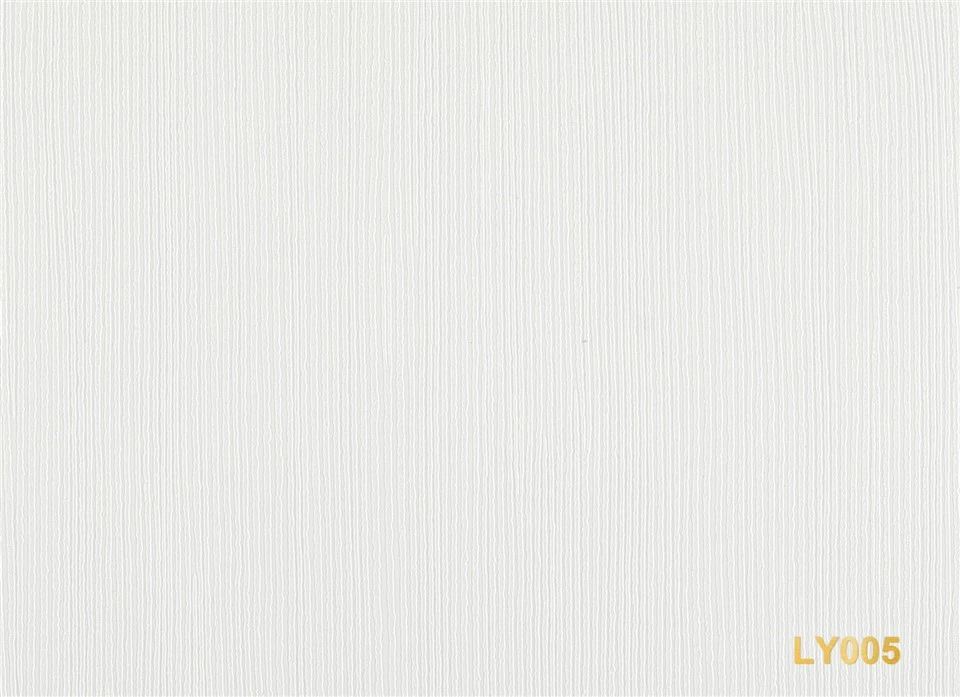
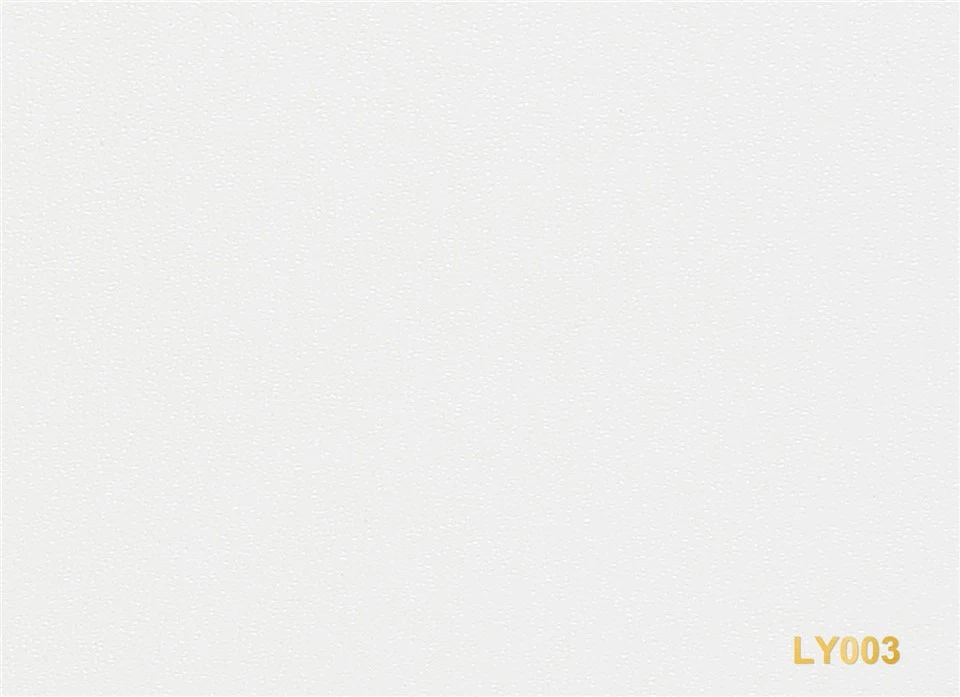
Our solid color PVC films are specifically designed to meet the requirements of furniture applications. They can be easily applied to different types of furniture, such as cabinets, tables, and chairs, and provide a smooth and durable finish. Whether you're looking for a White Color PVC Film to create a clean and modern look or a bold color to make a statement, our films can handle the bending and shaping needed for furniture decoration.
Wall Panels
Solid PVC Film for Wall Panels also requires good bending resistance. Wall panels may have different shapes and sizes, and the film needs to be able to conform to these surfaces. It should be able to bend around corners and edges of the wall panels without showing any signs of damage.
Our solid color PVC films are suitable for wall panel applications. They can be easily installed on wall panels to add a decorative touch. The films are resistant to bending, which ensures that they stay in place and maintain their appearance over time.
Testing Bending Resistance
We take the bending resistance of our solid color PVC films very seriously. We conduct various tests to ensure that our products meet the highest standards. One common test is the mandrel bend test. In this test, the film is wrapped around a mandrel of a specific diameter. The film is then examined for any cracks, breaks, or other signs of damage.
We also perform real-world tests by applying the film to different objects and bending them in various ways. This helps us to understand how the film behaves in actual applications and make any necessary adjustments to our manufacturing process.
Why Choose Our Solid Color PVC Films?
As a supplier, we offer several advantages when it comes to our solid color PVC films. Firstly, our films have excellent bending resistance. We've spent years perfecting our manufacturing process to ensure that our films can handle bending without any issues.
Secondly, we offer a wide range of colors and finishes. Whether you're looking for a classic white, a vibrant red, or a unique metallic finish, we have the perfect solid color PVC film for you.
Finally, we provide excellent customer service. Our team is always ready to answer your questions and help you choose the right product for your needs. We also offer competitive pricing and fast delivery to ensure that you get the best value for your money.
If you're interested in our solid color PVC films and want to learn more about their bending resistance or other features, feel free to reach out to us. We'd be happy to discuss your requirements and provide you with a quote. Whether you're a furniture manufacturer, an interior designer, or a DIY enthusiast, our solid color PVC films can meet your needs.
References
- ASTM International. (20XX). Standard Test Methods for Flexible Barrier Films and Sheeting.
- Smith, J. (20XX). PVC Film: Properties and Applications. Journal of Plastic Materials, 15(2), 123 - 135.