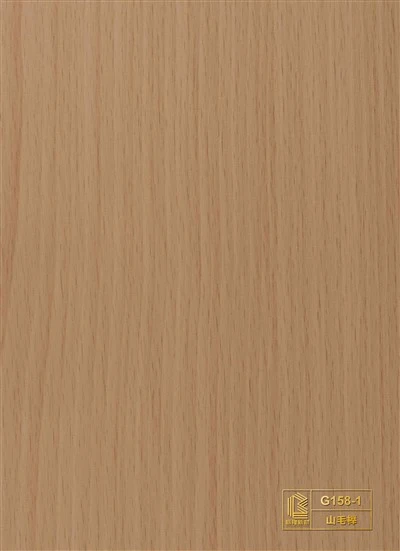

Hey there! As a supplier of wood grain film, I often get asked if our products are suitable for cold environments. Well, let's dive right in and figure this out.
How Cold Affects Materials
First off, we need to understand how cold temperatures can mess with materials. In cold environments, materials tend to contract. This contraction can lead to a whole bunch of problems, like cracking, peeling, or losing their adhesion. For instance, if you've ever seen rubber become stiff and brittle in the winter, you know what I'm talking about. The same thing can happen to wood grain film, but it depends on the type of film and how it's made.
Types of Wood Grain Film We Offer
We offer several types of wood grain films, each with its own set of features and properties. Let me introduce you to a few of them:
- Wood Grain PVC Lamination Film: This film is super popular for its durability and smooth finish. You can check it out here. It's commonly used for furniture, cabinet doors, and other interior applications.
- PVC Interior Film: Ideal for adding a touch of wood-like beauty to interior spaces, this film offers great flexibility and ease of installation. More details here.
- Solid Wood Grain PVC Shrink Film: As the name suggests, it shrinks to fit the shape of the object it's covering. It's perfect for wrapping items with irregular shapes. Find out more here.
- PVC Wood Grain Foil: This thin, flexible foil is great for adding a wood grain look to small objects or edges. You can learn about it here.
- Cabinet Door PVC Solid Wood Grain Film: Specifically designed for cabinet doors, this film provides a high-quality, long-lasting wood grain appearance. Check it out here.
Suitability of Wood Grain Film in Cold Environments
Now, let's talk about whether these films can handle the cold.
Factors Affecting Cold Resistance
- Material Composition: Most of our wood grain films are made from PVC, which is known for its relatively good cold resistance compared to some other plastics. However, different PVC formulations can have different levels of flexibility and durability in cold temperatures. For example, films with a higher plasticizer content tend to be more flexible, but they may also be more prone to losing plasticizers in the cold, which can lead to brittleness over time.
- Adhesive Quality: The adhesive used to attach the film to the surface is crucial. In cold environments, a poor-quality adhesive may lose its sticking power, causing the film to peel off. Our films are designed with high-quality adhesives that are formulated to maintain adhesion even in lower temperatures.
- Surface Preparation: Proper surface preparation is essential for the film to adhere well, especially in cold conditions. If the surface is dirty, wet, or not properly primed, the film may not bond correctly, and cold temperatures can exacerbate any existing adhesion issues.
How Our Films Hold Up
In general, our wood grain films can withstand moderately cold temperatures without significant problems. For short periods of exposure to cold, like in a garage or a storage area during the winter, they should be fine. However, extreme cold, below -20°C (-4°F), can pose challenges.
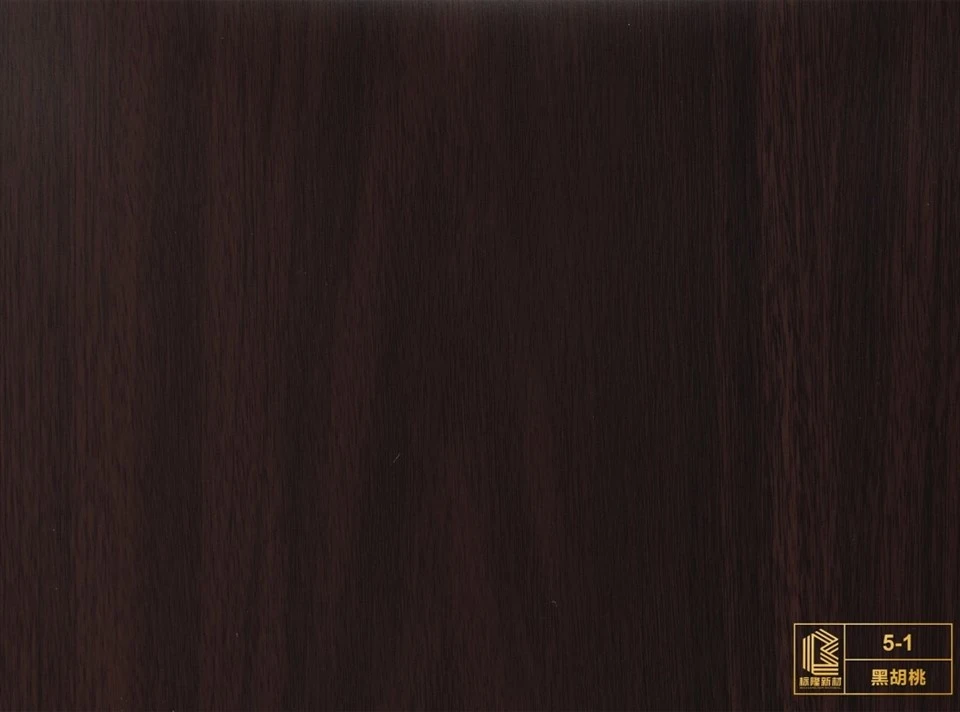
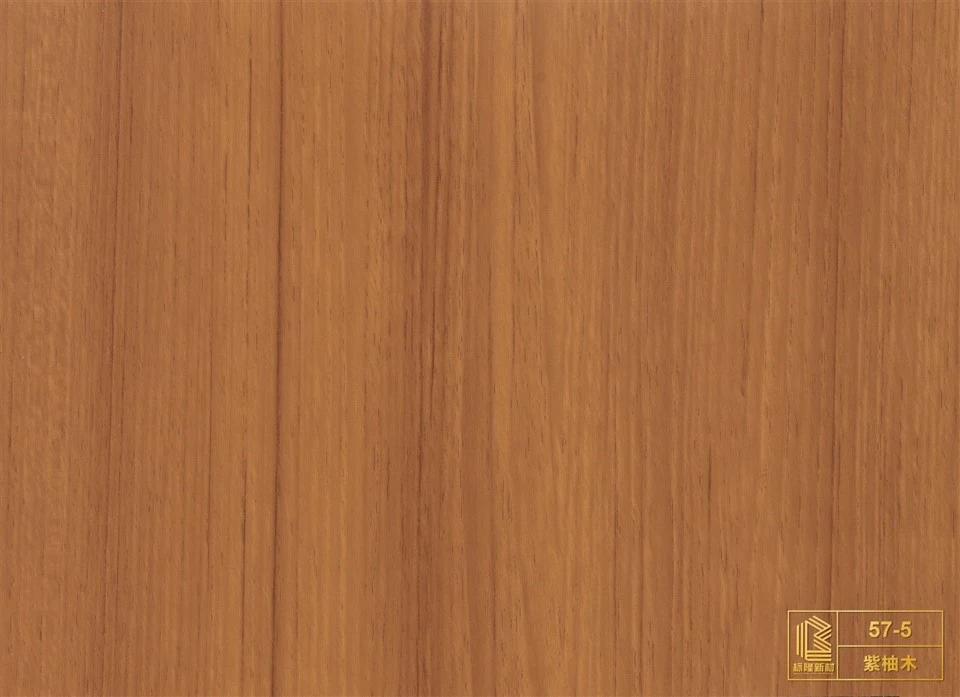
- Flexibility: Our films are engineered to retain a certain level of flexibility in cold temperatures. This means they are less likely to crack or break when bent during installation or normal use. But if the temperature drops too low, they may become stiffer, and you'll need to be extra careful when handling them.
- Adhesion: As mentioned earlier, our high - quality adhesives help the film stay attached even in colder conditions. However, if the surface temperature is too low at the time of installation, it's important to warm up the surface slightly to ensure proper adhesion.
Tips for Using Wood Grain Film in Cold Environments
If you plan to use our wood grain film in a cold environment, here are some tips to keep in mind:
- Choose the Right Film: If you know the area will be exposed to cold, select a film that is specifically formulated for better cold resistance. Our team can help you determine which product is best for your needs.
- Store the Film Properly: Keep the film in a warm place before installation. If it has been stored in a cold area, let it warm up to room temperature for a few hours before use.
- Prepare the Surface: Make sure the surface is clean, dry, and free of any debris. If necessary, use a primer to improve adhesion, especially in cold conditions.
- Installation Temperature: Try to install the film when the surface temperature is above freezing. If that's not possible, you can use a heat gun to warm up the surface and the film slightly during installation.
Conclusion
So, is wood grain film suitable for cold environments? The answer is yes, but with some precautions. Our wood grain films are designed to offer good performance in a range of temperatures, but extreme cold can affect them. By choosing the right film, preparing the surface properly, and following the installation tips, you can use our wood grain film even in colder areas.
If you're considering using our wood grain film for your project, whether it's in a cold environment or not, don't hesitate to reach out. We're here to help you choose the best product and offer any advice you might need. Let's start a discussion and see how we can make your project a success!
References
- "Plastic Materials Handbook" by Brian P. Grady
- "Adhesives and Sealants Technology Handbook" by Michael Miller