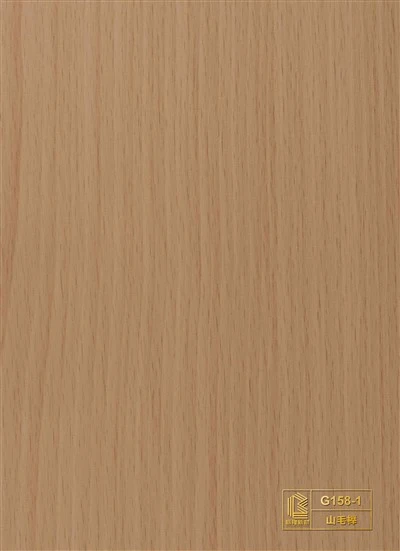

As a supplier of solid color PVC film, I understand the importance of ensuring the quality of our products. Solid color PVC film is widely used in various applications, such as wall panels and furniture decoration. Therefore, it is crucial to have a reliable method to test its quality. In this blog post, I will share some key aspects and methods to test the quality of solid color PVC film.
Appearance Inspection
The first step in testing the quality of solid color PVC film is to conduct a thorough appearance inspection. The film should have a uniform color without any visible color streaks, spots, or unevenness. A consistent color is essential for applications where aesthetics play a significant role, such as White Color PVC Film.
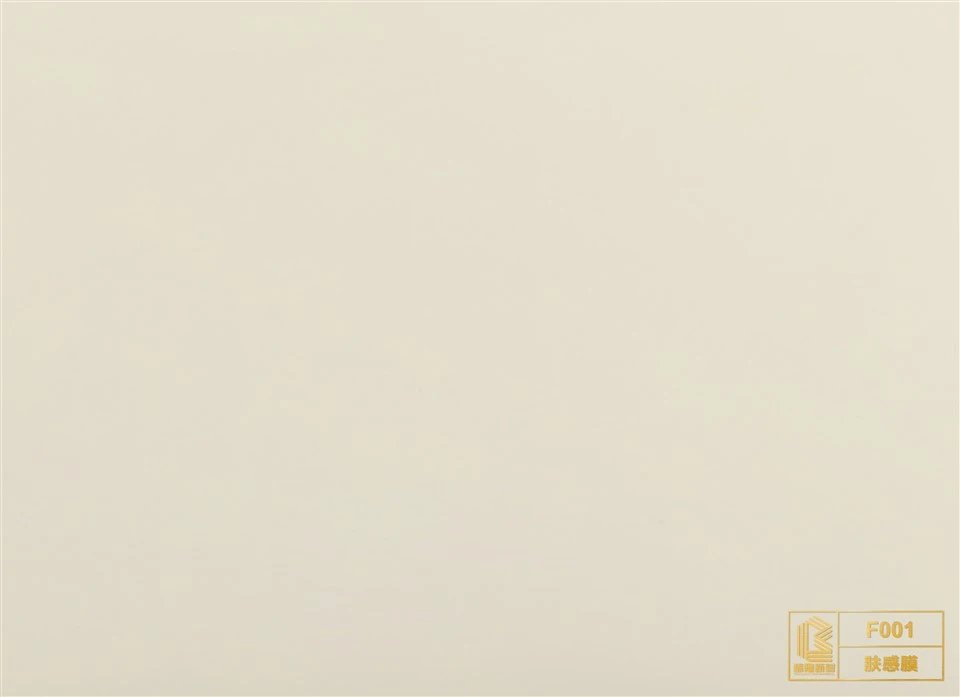

Check the surface of the film for any scratches, bubbles, or impurities. Scratches can not only affect the visual appeal but also weaken the film's integrity. Bubbles may indicate problems during the manufacturing process, such as improper degassing. Impurities can lead to a rough surface and may affect the adhesion when the film is applied.
The edges of the film should be smooth and straight. Irregular edges can cause difficulties during installation and may also indicate issues with the cutting process. A well - cut film ensures a clean and professional finish in applications like Solid PVC Film for Wall Panels.
Thickness Measurement
The thickness of the solid color PVC film is another important quality parameter. Consistent thickness is necessary to ensure uniform performance. Use a micrometer or a thickness gauge to measure the film at multiple points. A deviation in thickness can lead to uneven shrinkage, poor adhesion, or differences in strength across the film.
For most applications, the thickness of the solid color PVC film should be within a specified tolerance range. If the film is too thin, it may not provide sufficient durability or protection. On the other hand, if it is too thick, it may be more difficult to handle and may not conform well to curved surfaces, which is a common requirement for PVC Decorative Film for Furniture.
Adhesion Testing
Adhesion is a critical factor, especially when the solid color PVC film is used for decorative purposes. A strong adhesion ensures that the film stays in place and does not peel off over time. There are several methods to test the adhesion of the film.
One common method is the cross - cut test. Make a series of parallel cuts in the film at a specified distance apart, and then make another set of cuts perpendicular to the first set, creating a grid pattern. Apply a piece of adhesive tape over the grid and then quickly pull it off at a 90 - degree angle. Observe the amount of film that is removed with the tape. If a large amount of film is removed, it indicates poor adhesion.
Another method is the peel test. Use a testing machine to gradually peel the film from the substrate at a constant speed. Measure the force required to peel the film. A higher peel force indicates better adhesion.
Tensile Strength and Elongation Testing
Tensile strength and elongation are important mechanical properties of solid color PVC film. Tensile strength measures the maximum stress the film can withstand before breaking, while elongation measures the amount of stretching the film can undergo before failure.
To conduct a tensile test, cut the film into a standard test specimen shape, usually a dumbbell shape. Place the specimen in a tensile testing machine and apply a gradually increasing force until the specimen breaks. Record the maximum force and the elongation at break.
A high tensile strength and good elongation are desirable, especially in applications where the film may be subjected to stretching or pulling forces. For example, in wall panel applications, the film may need to conform to the shape of the wall, and a film with good elongation can better adapt to these changes without cracking.
Chemical Resistance Testing
Solid color PVC film may be exposed to various chemicals in its end - use applications. Therefore, it is important to test its chemical resistance. Common chemicals to test against include cleaning agents, solvents, and acids.
Immerse a sample of the film in a solution of the chemical for a specified period of time. After the immersion, remove the sample, rinse it with water, and dry it. Observe any changes in the appearance, such as discoloration, swelling, or softening. Also, test the mechanical properties of the sample after the chemical exposure to see if there has been any degradation.
Good chemical resistance ensures that the film can maintain its quality and appearance in different environments, which is crucial for long - term use in applications like furniture and wall panels.
Weather Resistance Testing
If the solid color PVC film is used in outdoor applications or in environments with high humidity and temperature variations, weather resistance testing is essential. Exposure to sunlight, rain, and extreme temperatures can cause the film to degrade over time.
One way to test weather resistance is to use a weathering chamber. Place the film samples in the chamber and simulate different weather conditions, such as sunlight, heat, and moisture. Monitor the changes in the film's appearance, color, and mechanical properties over a period of time.
Another option is to conduct outdoor exposure tests. Place the film samples in an outdoor location and expose them to natural weather conditions for a certain period. Regularly inspect the samples for any signs of degradation, such as fading, cracking, or peeling.
Gloss and Surface Finish Testing
The gloss and surface finish of the solid color PVC film can significantly affect its visual appeal. Gloss is measured using a gloss meter, which measures the amount of light reflected from the surface of the film at a specific angle.
The surface finish should be smooth and free of any roughness or texture that is not intended. A rough surface can collect dust and dirt more easily, and it may also affect the adhesion of other materials if the film is used in a multi - layer application.
Conclusion
Testing the quality of solid color PVC film is a comprehensive process that involves multiple aspects, including appearance, thickness, adhesion, mechanical properties, chemical resistance, weather resistance, and surface finish. By conducting these tests, we can ensure that our products meet the highest standards and provide our customers with reliable and high - quality solid color PVC film.
If you are interested in purchasing solid color PVC film for your wall panels, furniture, or other applications, we would be happy to discuss your requirements. Our team of experts can provide you with detailed information about our products and help you make the right choice. Contact us to start a procurement discussion and find the perfect solid color PVC film for your project.
References
- ASTM International standards for plastic film testing
- ISO standards related to the quality testing of PVC materials