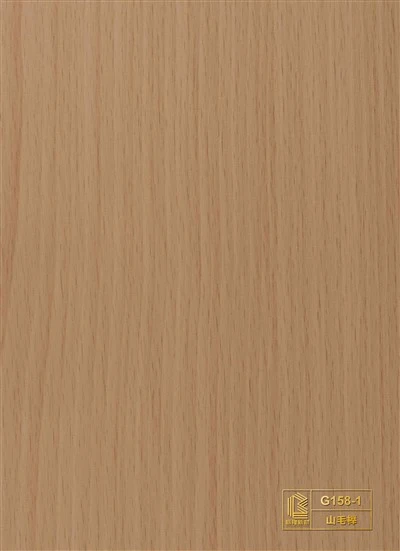

Hey there! I'm a supplier of PVC wood grain film, and I've seen a lot of folks struggle with cutting this stuff accurately. It can be a real pain in the neck, but don't worry – I'm here to share some tips and tricks that'll make your life a whole lot easier.
First off, let's talk about why accurate cutting is so important. When you're working with PVC wood grain film, you want it to fit perfectly on whatever surface you're applying it to. Whether it's a piece of furniture, a cabinet door, or a wall panel, a precise cut ensures a professional-looking finish. Plus, it saves you time and money in the long run by reducing waste.
Tools You'll Need
Before you start cutting, you'll need to gather the right tools. Here's what I recommend:
- Utility Knife: A sharp utility knife is a must-have for cutting PVC wood grain film. Make sure the blade is fresh and sharp to get clean, precise cuts.
- Straight Edge: A straight edge, such as a ruler or a T-square, will help you make straight cuts. Look for one that's long enough to cover the length of the film you're cutting.
- Scissors: Scissors can be useful for cutting small pieces or for making curved cuts. Choose a pair with sharp blades and a comfortable grip.
- Measuring Tape: Accurate measurements are key to cutting the film to the right size. Use a measuring tape to measure the length and width of the surface you're applying the film to.
- Cutting Mat: A cutting mat provides a stable surface to cut on and protects your work surface from scratches. Look for one that's large enough to accommodate the film you're cutting.
Preparing the Film
Once you have your tools ready, it's time to prepare the film for cutting. Here's how:
- Clean the Surface: Before you cut the film, make sure the surface you're applying it to is clean and free of dust, dirt, and debris. Use a clean, dry cloth to wipe the surface down.
- Measure and Mark: Use a measuring tape to measure the length and width of the surface you're applying the film to. Mark the measurements on the film using a pencil or a marker. Make sure to leave a little extra room around the edges for trimming.
- Score the Film: Using a utility knife and a straight edge, score the film along the marked lines. Apply firm pressure to the knife to cut through the top layer of the film, but be careful not to cut all the way through.
- Snap the Film: Once you've scored the film, gently bend it along the scored line. The film should snap cleanly along the line. If it doesn't, score the line again and try bending it a little more.
Cutting Techniques
Now that you've prepared the film, it's time to start cutting. Here are some cutting techniques that'll help you get accurate cuts:
- Straight Cuts: To make a straight cut, place the straight edge along the marked line and hold it firmly in place. Use the utility knife to cut along the straight edge, applying firm pressure to the knife. Make sure to keep the blade perpendicular to the film to get a clean, straight cut.
- Curved Cuts: To make a curved cut, use scissors to cut along the marked line. Start by making small cuts along the curve, then gradually increase the size of the cuts as you go. Make sure to keep the scissors perpendicular to the film to get a smooth, even cut.
- Angled Cuts: To make an angled cut, use a protractor or a miter box to measure the angle you need. Mark the angle on the film using a pencil or a marker, then use a utility knife and a straight edge to cut along the marked line. Make sure to keep the blade perpendicular to the film to get a clean, angled cut.
Tips and Tricks
Here are some additional tips and tricks that'll help you cut PVC wood grain film accurately:
- Use a Sharp Blade: A sharp blade is essential for getting clean, precise cuts. Replace the blade on your utility knife regularly to keep it sharp.
- Take Your Time: Cutting PVC wood grain film takes time and patience. Don't rush the process, and make sure to take your time to get accurate cuts.
- Practice on Scrap Material: If you're new to cutting PVC wood grain film, practice on a scrap piece of material first. This will help you get a feel for the cutting process and improve your technique.
- Use a Cutting Guide: A cutting guide can help you make straight cuts and keep the blade perpendicular to the film. You can buy a cutting guide at a hardware store or make one yourself using a piece of cardboard or a ruler.
- Trim the Edges: After you've cut the film, use a utility knife to trim the edges. This will help you get a clean, professional-looking finish.
Conclusion
Cutting PVC wood grain film accurately is an important skill that'll help you achieve a professional-looking finish on your projects. By following the tips and techniques outlined in this blog post, you'll be able to cut the film with ease and confidence.

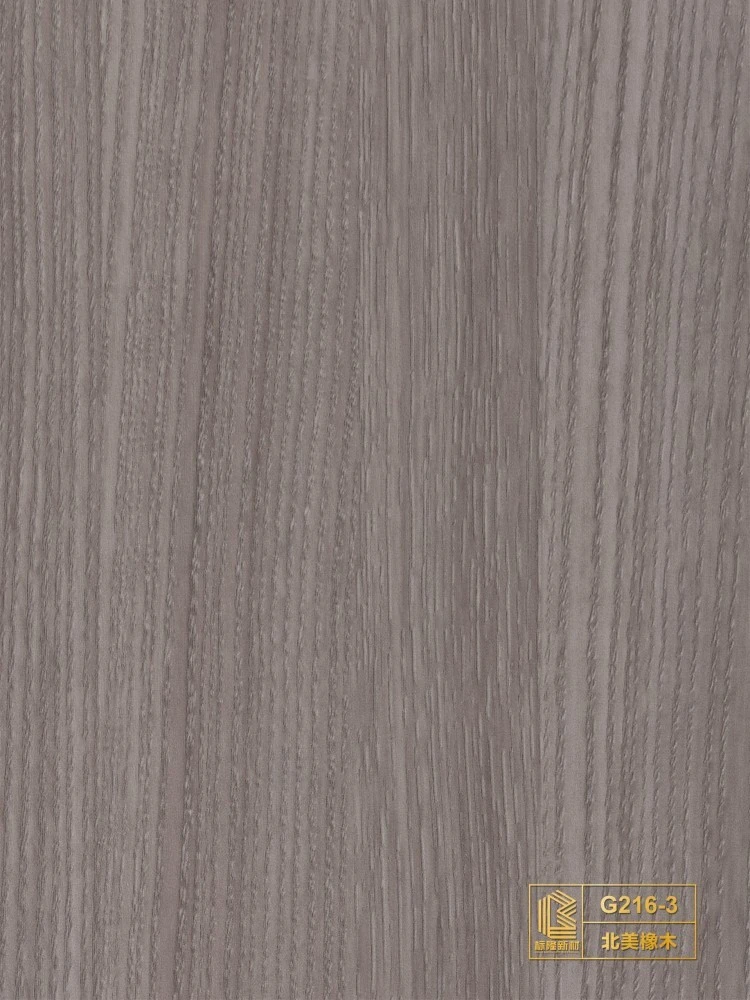
If you're in the market for high-quality PVC wood grain film, check out our 3D Wood Grain PVC Membrane Foil, Wood Grain PVC Film for Furniture, and Wood Grain Decorative Film. We offer a wide range of colors, patterns, and finishes to suit your needs.
If you have any questions or need help with your project, don't hesitate to contact us. We're here to help you every step of the way.
References
- Woodworking magazines and online resources for general woodworking and material cutting tips.
- Manufacturer's guides for PVC wood grain film products.