
As a supplier of anti - oil PVC decorative film, I often encounter concerns from customers about whether our product emits harmful gases. This is a crucial question, especially considering the increasing emphasis on environmental protection and health in modern construction and decoration. In this blog, I will delve into this topic based on scientific knowledge and our product characteristics.
Understanding Anti - Oil PVC Decorative Film
Anti - oil PVC decorative film is a type of plastic film widely used in various decoration applications, such as furniture, doors, and wall panels. It is made from polyvinyl chloride (PVC), a synthetic plastic polymer, and is designed to have anti - oil properties, which can effectively resist oil stains and make the decorated surface easier to clean.
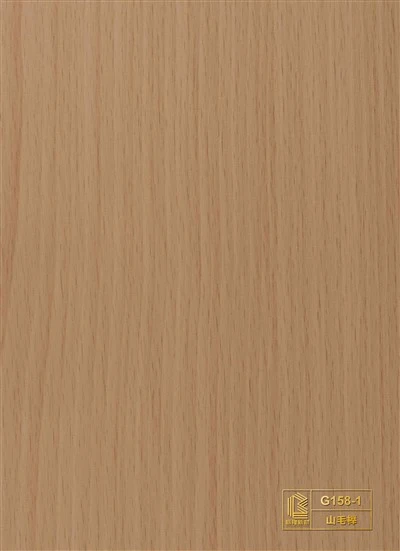
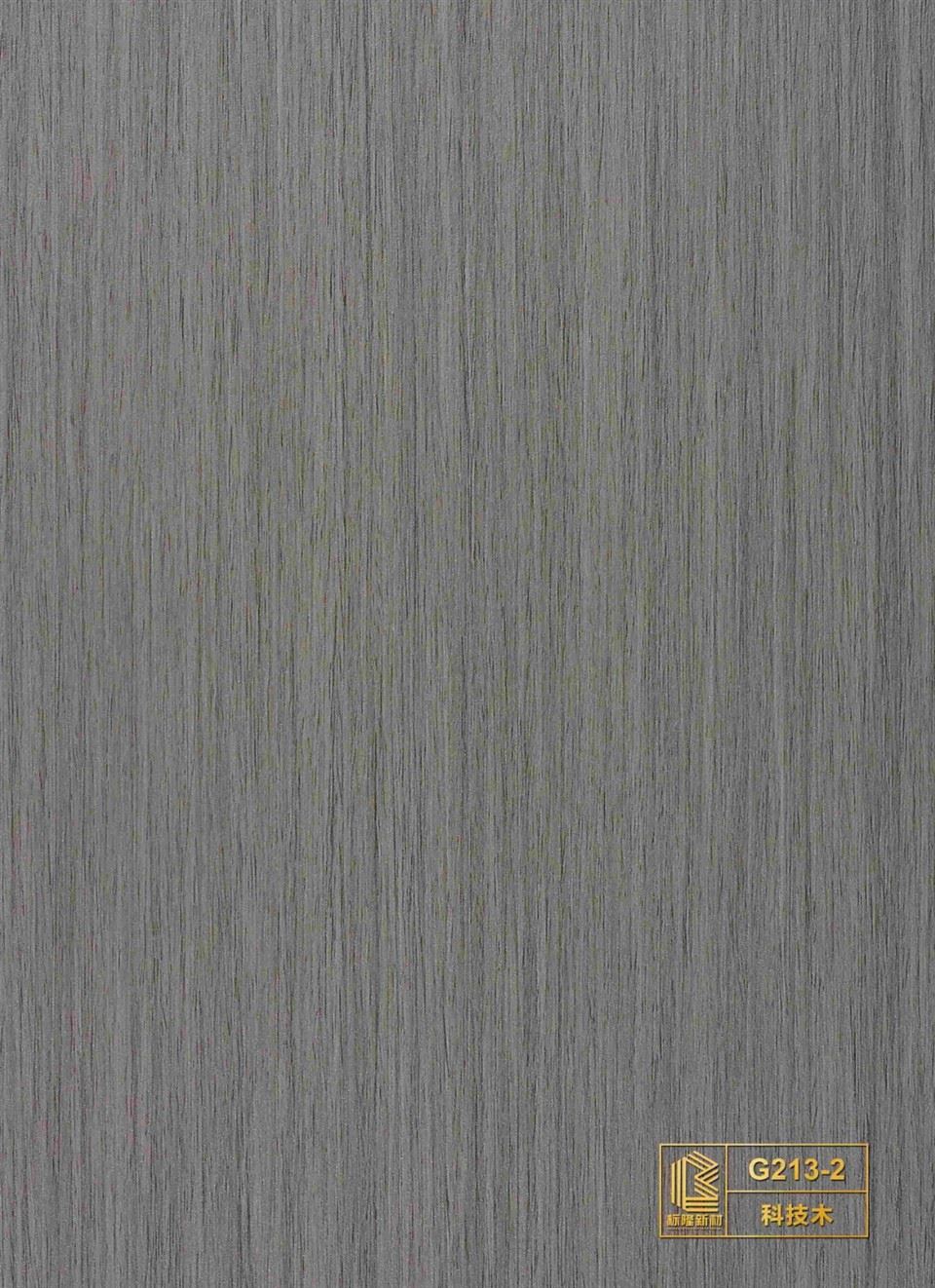
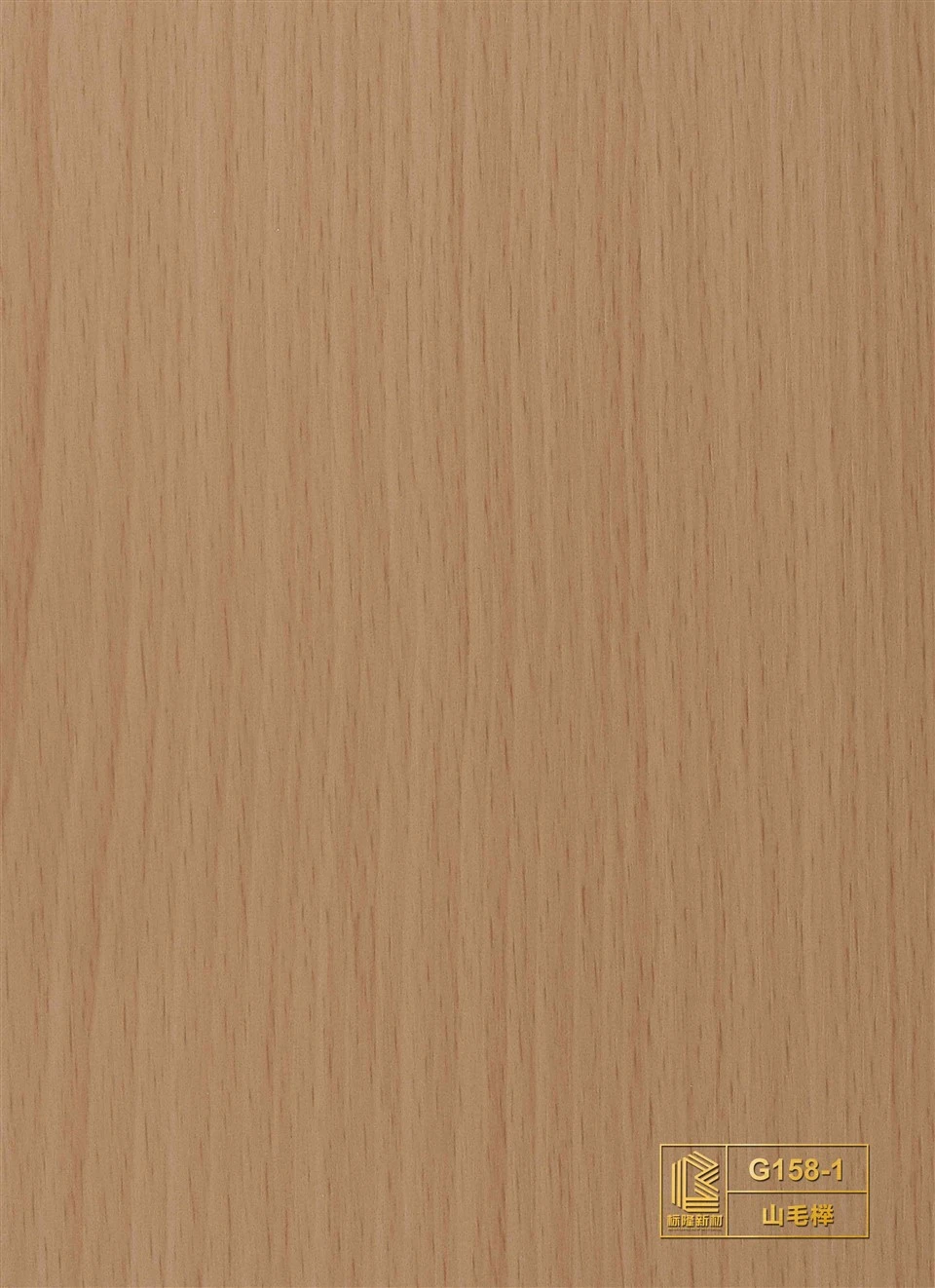
Our company offers a variety of anti - oil PVC decorative films, including Wood Grain PVC Lamination Film, Anti Oil PVC Decor Film for Door, and Vacuum Pressing Anti Oil PVC Decor Film. These products not only provide excellent anti - oil performance but also come in different patterns and textures to meet diverse customer needs.
Potential Sources of Harmful Gases in PVC Products
PVC itself is a relatively stable polymer. However, during the production process of PVC products, various additives are often used to improve their performance, such as plasticizers, stabilizers, and pigments. Some of these additives may be potential sources of harmful gases.
- Plasticizers: Plasticizers are commonly added to PVC to increase its flexibility and softness. Phthalates are a type of plasticizer that has been a concern in recent years. Some phthalates have been found to be endocrine disruptors, which can have adverse effects on human health, especially on the reproductive and developmental systems. When PVC products containing phthalates are exposed to high temperatures or certain solvents, these phthalates may be released into the air.
- Stabilizers: Stabilizers are used to prevent PVC from degrading under heat and light. Some traditional stabilizers contain heavy metals such as lead and cadmium. These heavy metals can be harmful if they are released into the environment and inhaled or ingested by humans.
- Pigments: Pigments are used to give PVC products different colors. Some pigments may contain harmful substances, such as certain organic dyes that can release volatile organic compounds (VOCs).
Our Company's Measures to Ensure Safety
At our company, we are fully aware of the potential risks associated with harmful gas emissions from PVC products. Therefore, we have taken a series of measures to ensure the safety of our anti - oil PVC decorative film.
- Selection of Raw Materials: We carefully select raw materials to minimize the use of harmful additives. For plasticizers, we use phthalate - free alternatives that have been proven to be safe and environmentally friendly. Our stabilizers are also free of heavy metals, ensuring that our products do not release lead or cadmium.
- Strict Production Process Control: Our production process is strictly controlled to ensure that the additives are evenly distributed and properly incorporated into the PVC matrix. This reduces the possibility of the additives being released during normal use. We also conduct regular quality inspections to ensure that our products meet relevant environmental and safety standards.
- Testing and Certification: Our anti - oil PVC decorative film has undergone a series of tests to measure its gas emissions. These tests include measuring the levels of VOCs, formaldehyde, and other harmful substances. We have obtained relevant certifications, such as environmental protection certifications, which prove that our products meet strict safety requirements.
Scientific Studies on PVC Gas Emissions
Numerous scientific studies have been conducted on the gas emissions of PVC products. These studies generally show that under normal use conditions, well - manufactured PVC products do not emit significant amounts of harmful gases.
- VOC Emissions: A study published in the Journal of Environmental Science and Health found that the VOC emissions from PVC products decreased significantly over time. After a few weeks of installation, the VOC levels in the air were within the acceptable range. This indicates that the initial high - level emissions of VOCs from PVC products are mainly due to the outgassing of the additives during the early stage, and the emissions will gradually decrease as the additives are released.
- Formaldehyde Emissions: Formaldehyde is a well - known harmful gas that can cause respiratory problems and other health issues. However, most modern PVC products, including our anti - oil PVC decorative film, do not contain formaldehyde or only contain trace amounts that are far below the safety limit.
Conclusion
In conclusion, our anti - oil PVC decorative film is designed to be safe and environmentally friendly. Through careful selection of raw materials, strict production process control, and rigorous testing, we ensure that our products do not emit harmful gases under normal use conditions.
If you are interested in our anti - oil PVC decorative film products, such as Wood Grain PVC Lamination Film, Anti Oil PVC Decor Film for Door, or Vacuum Pressing Anti Oil PVC Decor Film, please feel free to contact us for further discussion and procurement negotiation. We are committed to providing you with high - quality products and excellent service.
References
- Journal of Environmental Science and Health, various issues related to PVC product emissions studies.
- Reports on environmental protection certifications of PVC products.