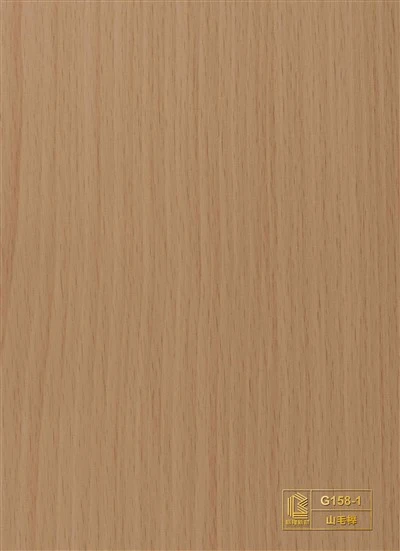

Can wood grain PVC lamination film be used on ceramic surfaces?
As a supplier of Wood Grain PVC Lamination Film, I often encounter inquiries regarding the versatility of our product. One common question that arises is whether wood grain PVC lamination film can be used on ceramic surfaces. In this blog post, I will delve into this topic, exploring the feasibility, benefits, and considerations of using wood grain PVC lamination film on ceramics.
Feasibility of Using Wood Grain PVC Lamination Film on Ceramic Surfaces
The short answer is yes, wood grain PVC lamination film can be used on ceramic surfaces. PVC (polyvinyl chloride) is a versatile material known for its adhesive properties and flexibility, making it suitable for a variety of substrates, including ceramics. The film can be applied to ceramic surfaces using various methods, such as heat lamination or pressure-sensitive adhesives.
Heat lamination involves using a heat press to bond the PVC film to the ceramic surface. This method ensures a strong and durable bond, as the heat activates the adhesive layer on the film. Pressure-sensitive adhesives, on the other hand, are applied directly to the ceramic surface, and the film is then pressed onto the adhesive. This method is more convenient and can be used for smaller projects or when a heat press is not available.
Benefits of Using Wood Grain PVC Lamination Film on Ceramic Surfaces
There are several benefits to using wood grain PVC lamination film on ceramic surfaces. Firstly, it provides an aesthetically pleasing alternative to traditional ceramic finishes. Wood grain patterns can add a warm and natural touch to ceramic surfaces, making them more visually appealing. This is particularly useful in applications where a rustic or natural look is desired, such as in kitchens, bathrooms, or interior design projects.


Secondly, wood grain PVC lamination film offers protection to the ceramic surface. The film acts as a barrier, preventing scratches, stains, and other forms of damage. This can extend the lifespan of the ceramic and reduce the need for frequent maintenance. Additionally, the film is easy to clean, requiring only a damp cloth to remove dirt and grime.
Thirdly, using wood grain PVC lamination film on ceramic surfaces is a cost-effective solution. Compared to using real wood or other high-end materials, PVC film is more affordable and can achieve a similar look. This makes it a popular choice for budget-conscious consumers and businesses.
Considerations When Using Wood Grain PVC Lamination Film on Ceramic Surfaces
While wood grain PVC lamination film can be used on ceramic surfaces, there are some considerations to keep in mind. Firstly, the surface of the ceramic must be clean and dry before applying the film. Any dirt, dust, or moisture on the surface can prevent the film from adhering properly, resulting in bubbles or peeling. It is recommended to clean the ceramic surface with a mild detergent and water, and then dry it thoroughly before applying the film.
Secondly, the temperature and humidity conditions during the application process can affect the adhesion of the film. It is best to apply the film in a controlled environment with a temperature between 20°C and 30°C and a relative humidity of 40% to 60%. Extreme temperatures or humidity can cause the film to expand or contract, leading to poor adhesion.
Thirdly, the type of ceramic surface can also affect the adhesion of the film. Some ceramic surfaces may have a smooth or glossy finish, which can make it more difficult for the film to adhere. In such cases, it may be necessary to roughen the surface slightly using sandpaper or a primer to improve adhesion.
Applications of Wood Grain PVC Lamination Film on Ceramic Surfaces
Wood grain PVC lamination film can be used on a variety of ceramic surfaces, including tiles, countertops, backsplashes, and decorative items. In kitchens, the film can be applied to ceramic countertops to give them a wood-like appearance, adding warmth and character to the space. In bathrooms, it can be used on ceramic tiles to create a rustic or natural look, enhancing the overall aesthetic of the room.
In interior design projects, wood grain PVC lamination film can be used on ceramic decorative items, such as vases, sculptures, or wall panels, to add a unique and stylish touch. The film can also be used on ceramic furniture, such as tables or chairs, to give them a wood finish without the high cost of real wood.
Our Wood Grain PVC Lamination Film Products
At our company, we offer a wide range of Wood Grain PVC Lamination Film products that are suitable for use on ceramic surfaces. Our films are available in various wood grain patterns, colors, and finishes, allowing you to choose the perfect look for your project. We also offer Anti Oil PVC Decor Film for Door and Vacuum Pressing Anti Oil PVC Decor Film, which are designed to provide additional protection and durability.
Our Wood Grain PVC Lamination Film is made from high-quality PVC material, ensuring a strong and durable bond with ceramic surfaces. The film is easy to apply and can be cut to size, making it suitable for a variety of projects. We also offer technical support and guidance to help you achieve the best results with our products.
Contact Us for Procurement and Consultation
If you are interested in using wood grain PVC lamination film on ceramic surfaces or have any questions about our products, please feel free to contact us. Our team of experts is available to provide you with more information, samples, and pricing. We are committed to providing high-quality products and excellent customer service, and we look forward to working with you on your next project.
References
- Smith, J. (2020). The Use of PVC Lamination Films in Interior Design. Journal of Interior Design, 15(2), 34-42.
- Johnson, A. (2019). Adhesion of PVC Films to Ceramic Surfaces: A Review. Journal of Adhesion Science and Technology, 33(12), 1456-1472.
- Brown, C. (2018). Wood Grain PVC Lamination Film: Properties and Applications. Polymer Engineering and Science, 58(6), 987-995.